Measure before adding
Training load, sleep, heart rate trends, and subjective readiness offer context. A calmer view of data can prevent the reflex to stack more intensity onto an already demanding week.
VOLUME 04 · OCTOBER 2026
Strategic advisory in sports physiology, endurance training, and functional fitness for men aged 35+—presented as considered editorial guidance rather than a promise of outcomes.
Read the journal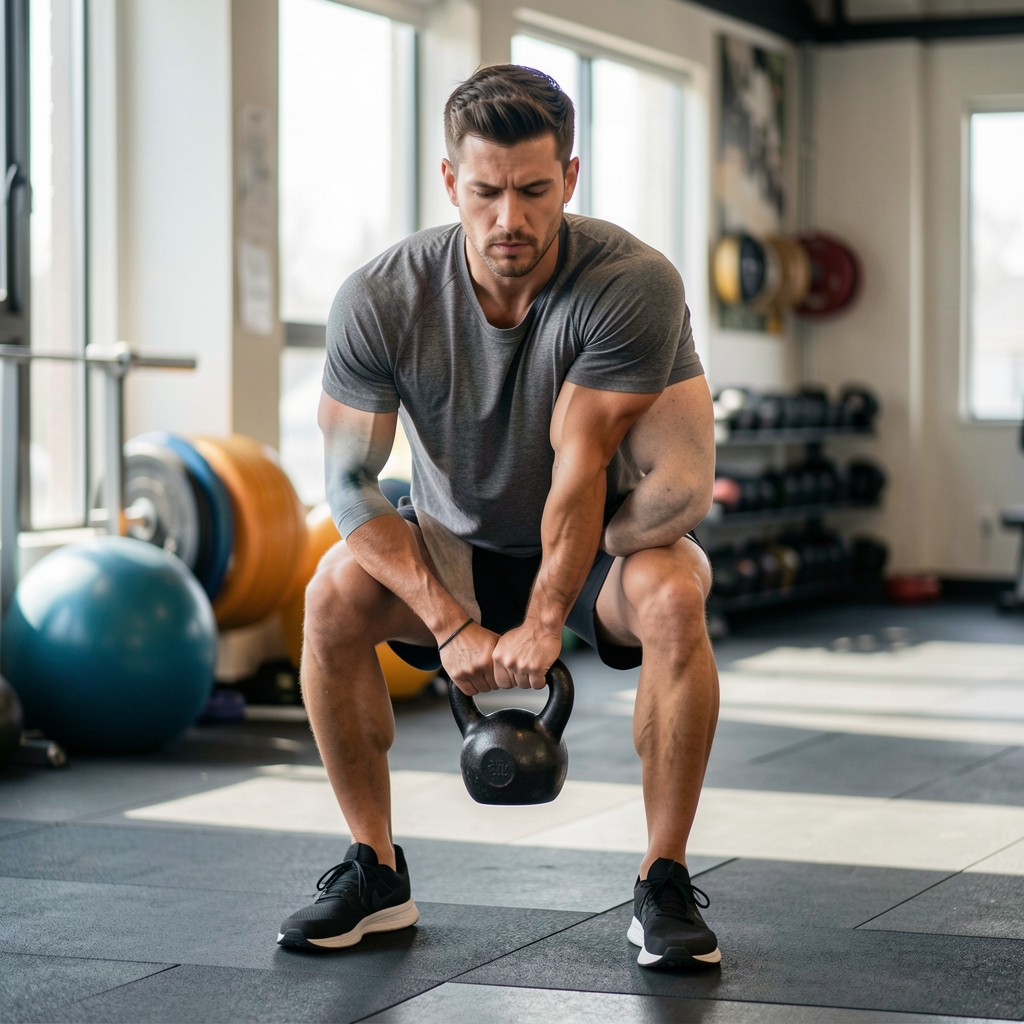
“The durable athlete is built by attention: to signals, seasons, and the quiet work between sessions.”
A field guide for the second half of an athletic life
Training load, sleep, heart rate trends, and subjective readiness offer context. A calmer view of data can prevent the reflex to stack more intensity onto an already demanding week.
Functional fitness is less about spectacle than useful capacity: carrying, hinging, rotating, bracing, and moving with control across ordinary and athletic environments.
Endurance development is a long conversation between stimulus and recovery. Work, family, weather, and travel belong in the plan rather than outside it.

The Ponder method
Our editorial approach combines physiology, coaching practice, and the lived realities of mature athletes. We explore why a session belongs in a week, what it might replace, and how to recognise when an adjustment is wiser than persistence.
Readers will find frameworks, questions, and examples to discuss with qualified professionals. No article can account for a complete medical history, and no training idea should be treated as individual medical advice.
Read our methodology →
How conversational pace can preserve the quality of harder work later in the week.
Open story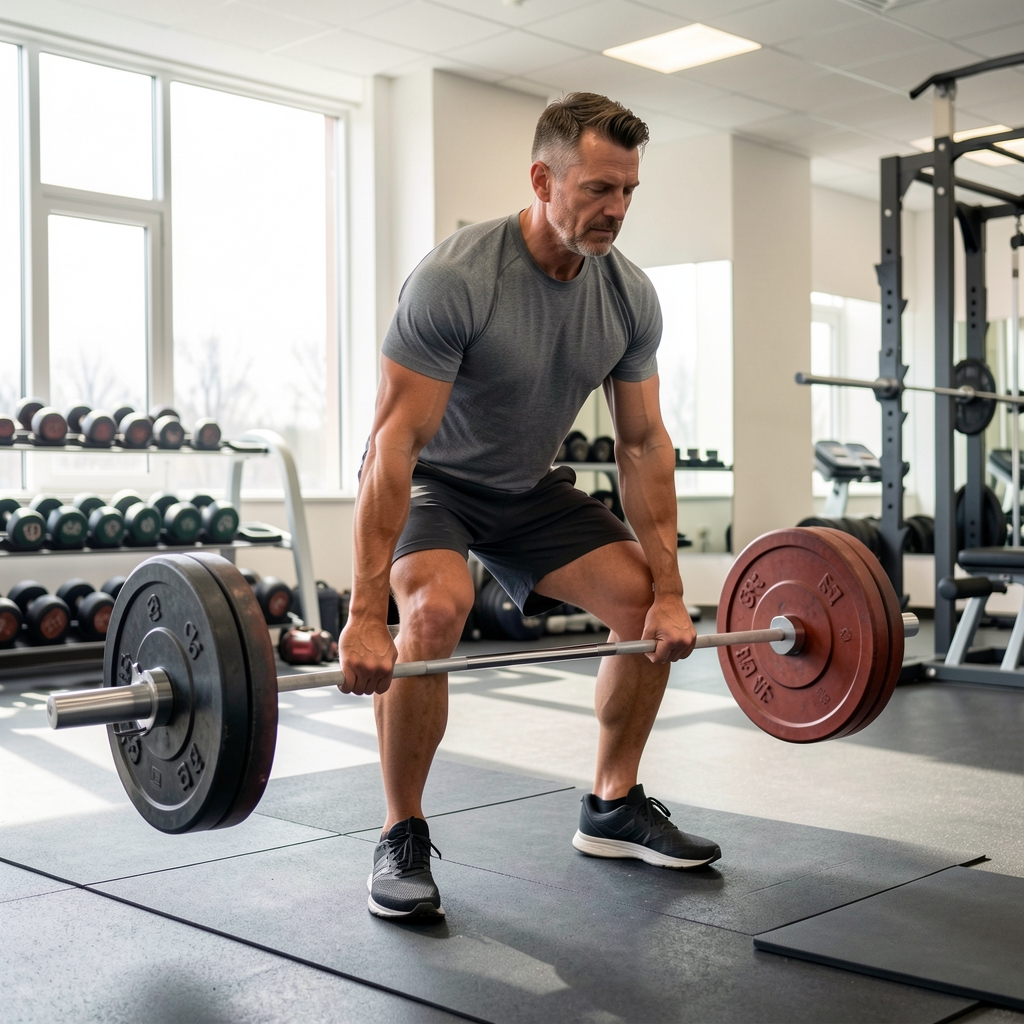
A closer look at modest, consistent loading and the value of technical patience.
Open story
Recovery becomes more useful when it is planned with the same care as exertion.
Open storyNo. A well-designed week can be intentionally ordinary, allowing adaptation and preserving enthusiasm for the next meaningful block.
Clear scope, transparent sources, sensible caveats, and an invitation to involve a qualified practitioner when individual risk matters.
Age changes context, not the possibility of learning. Training can become more precise as experience improves the questions we ask.
Start with the methodology, then choose one topic that matches your current season rather than collecting every idea at once.
Browse the index, save a question for your next consultation, and read at a pace that leaves room for judgement.
Contact Ponder